Swiss Regulatory Shifts and Their Role in Shaping Hybrid Progressive Payouts Across Table Games and Lottery Formats
Carlo Simon · Aug 19, 2026
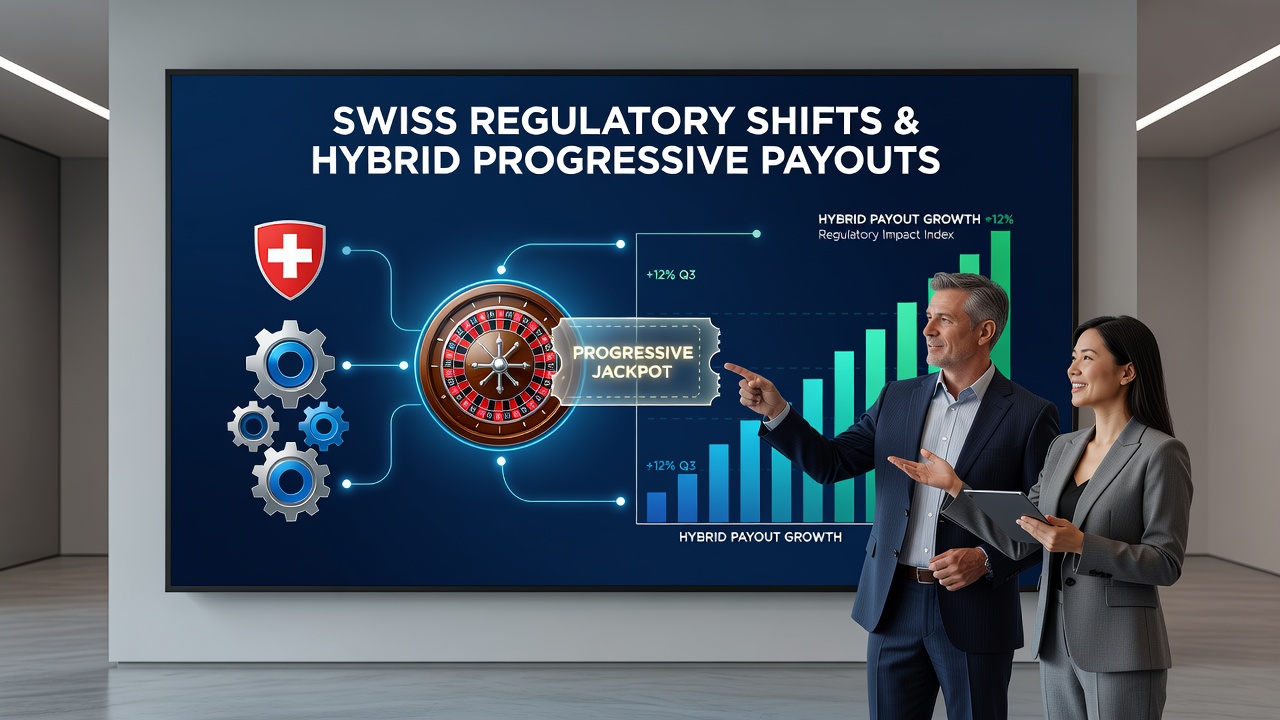
Swiss Regulatory Shifts and Their Role in Shaping Hybrid Progressive Payouts Across Table Games and Lottery Formats
Swiss authorities have implemented several adjustments to the Federal Act on Gambling since its major revision took effect in 2019, and these changes continue to influence how operators structure progressive payout systems that link table games with lottery formats. Data from the Swiss Federal Office of Justice shows steady growth in licensed operations that combine elements of both categories under unified jackpot pools, while compliance requirements around transparency and player protection have tightened. Observers note that such integration requires careful navigation of contribution rates, seed funding rules, and cross-format eligibility criteria that differ from standalone progressive models.
Background on Recent Regulatory Adjustments
Amendments rolled out between 2022 and 2024 clarified licensing pathways for hybrid games, requiring operators to demonstrate separate accounting for each game type even when progressive contributions flow into a shared prize pool. According to figures released by the Federal Gaming Board, the number of approved hybrid systems rose from 12 in 2021 to 47 by the end of 2025, reflecting broader industry adoption. Those who have studied the framework point out that the rules emphasize verifiable random number generation and mandatory minimum return-to-player percentages that apply uniformly across connected formats.
Operators must now submit detailed technical documentation showing how progressive meters calculate contributions from table game wagers alongside lottery ticket sales, and regulators conduct periodic audits to verify that no single format receives preferential allocation. This approach ensures that payout structures remain balanced, while still allowing the excitement of growing jackpots that span multiple game categories.
Effects on Table Game Progressive Systems
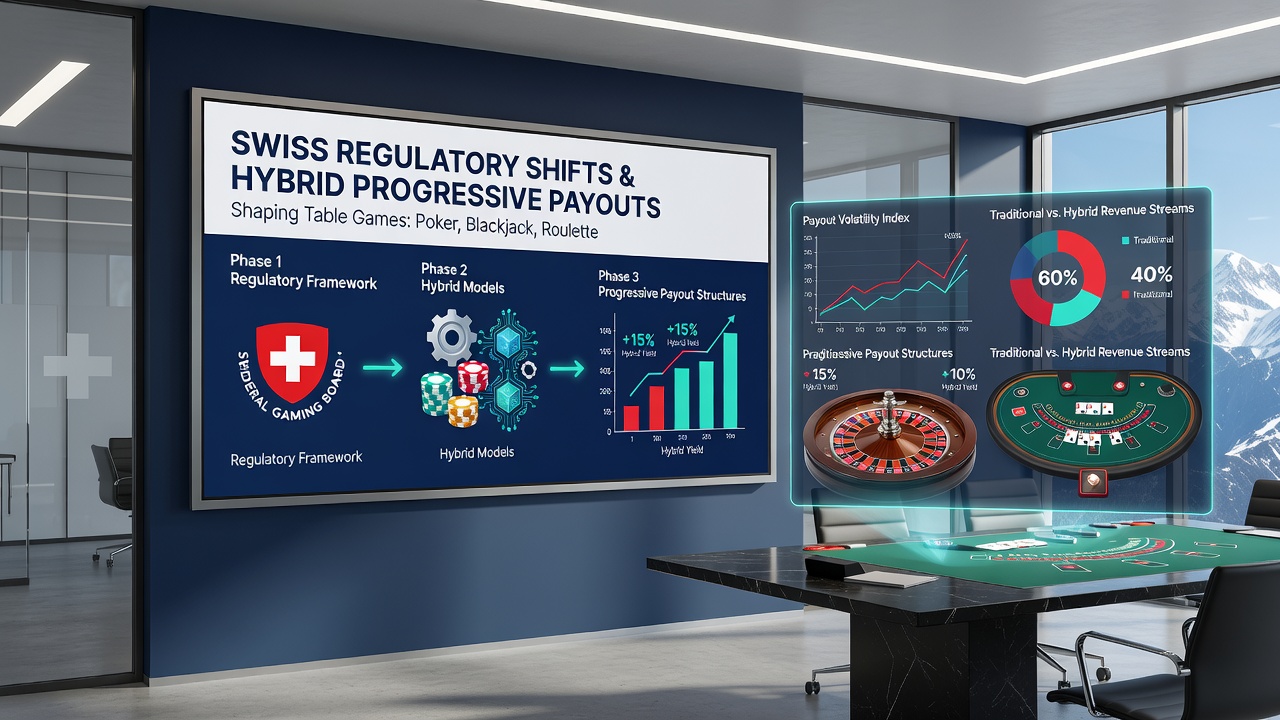
Table games such as blackjack, roulette, and poker variants have seen the introduction of side-bet progressives that can link into larger lottery-style draws under the updated guidelines. Research conducted by the Swiss Institute for Gambling Research indicates that contribution percentages from table game side bets typically range between 5 and 15 percent of the wager, with strict caps on how much of that amount may transfer to the hybrid pool. Data reveals that average jackpot sizes for these linked systems reached CHF 4.2 million in 2025, up from CHF 2.8 million two years earlier, as more operators received approval for multi-format connections.
Regulators require clear signage and digital displays that distinguish between the base game payout and the progressive component, and this transparency measure has become standard across licensed venues. Those who have examined compliance reports note that violations in reporting contribution splits have led to temporary suspension of progressive features rather than full license revocation in most cases.
Integration with Lottery Formats
Lottery operators have adapted their draw mechanics to accommodate contributions from table game side bets while maintaining separate prize tiers for traditional lottery participants. The regulatory shifts permit shared progressive meters provided that lottery ticket purchasers receive explicit notice when their entry joins a pool that also includes table game wagers. Figures from the Swiss Lottery and Betting Association show that hybrid lottery-table game jackpots accounted for 18 percent of total lottery revenue in the first half of 2026, a measurable increase from prior periods.
Rules effective in August 2026 will introduce additional verification steps for cross-border lottery linkages, requiring Swiss-licensed operators to confirm that foreign partner systems meet equivalent player protection standards before any funds can merge into domestic progressive pools. This upcoming requirement builds on existing provisions that already mandate real-time reporting of meter values to the oversight authority.
Technical and Compliance Considerations
Hybrid systems demand sophisticated software that tracks contributions separately yet aggregates them for prize display purposes, and regulators have published technical standards that specify encryption protocols and audit trail retention periods. Industry reports from the European Gaming and Betting Association highlight similar technical specifications emerging in other jurisdictions, yet Swiss guidelines place particular emphasis on immediate prize distribution once a winning ticket or hand is verified. Operators who fail to meet these technical benchmarks face delays in receiving renewed approvals for progressive features.
Training requirements for staff who manage hybrid systems have also expanded, with mandatory certification programs covering both the regulatory framework and the operational procedures for handling claims that span table game and lottery components. Data collected by oversight bodies shows high compliance rates once operators complete the initial setup phase.
Conclusion
Swiss regulatory developments have established a structured environment where hybrid progressive payouts can operate across table games and lottery formats under consistent oversight. The framework continues to evolve with the August 2026 updates on cross-border linkages, while existing rules around transparency, contribution tracking, and player information remain central to licensed operations. Available statistics indicate steady expansion of these systems, supported by clear technical and compliance expectations that apply uniformly to all participants in the market.